
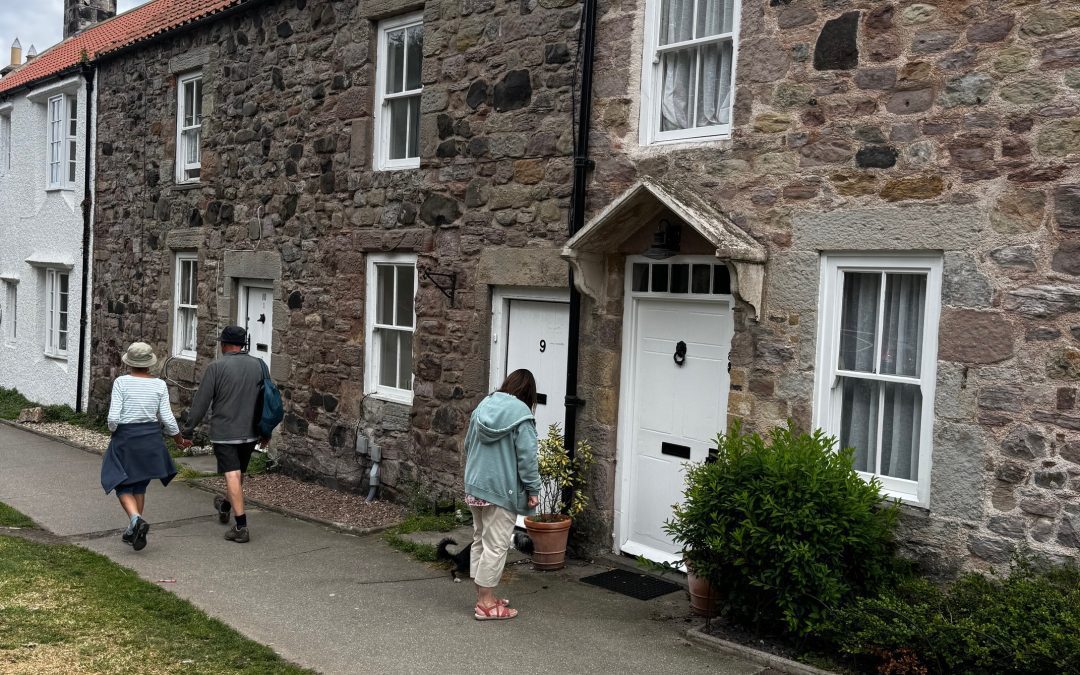
Is the house you’ve fallen in love with a sturdy investment or a beautifully staged money pit?
Jon Charters-Reid Says “you don’t buy a house you buy a lifestyle”
When you’re standing in a sunlit kitchen in York or Harrogate or Leeds it’s easy to overlook the underlying health of the building, yet the difference between a sound structure and a failing one often lies hidden beneath the surface. Deciding on a home survey level 2 vs level 3 is one of the most important choices you’ll make during the buying process, as the wrong report could leave you vulnerable to unexpected repair bills reaching into the thousands.
We understand that navigating RICS terminology whilst managing moving costs is incredibly stressful. You want to feel certain that your new home is safe, and we’re here to provide that reassurance. This guide clarifies exactly what each survey covers, from the visual checks of a Level 2 to the deep structural analysis of a Level 3. We’ll explore how property age and construction type dictate which report provides the clarity you need to proceed with total confidence, ensuring you avoid a “money pit” and secure a clear list of necessary repairs.
Key Takeaways
- Understand the vital distinction between a basic mortgage valuation and a professional RICS survey to ensure your financial interests are fully protected.
- Remember a valuation has often no disclosure to you and you may pay a hidden commission to the lender !
- Learn how to use a property’s age and construction style as a guide to determine whether a home survey level 2 vs level 3provides the appropriate depth of protection for your purchase.
- Discover how are reports differ from others – the red green amber is often not helpful and an explanation is better
Gain clarity on the transparency of fixed-fee RICS reports and the efficient digital delivery timeframes common within the Yorkshire property market. - Identify how local expertise in areas like York, Leeds, and Harrogate helps uncover specific regional risks that generic surveys might overlook.
Table of Contents
- Understanding RICS Home Survey Levels in the Modern Property Market
- RICS Level 2 vs Level 3: A Detailed Comparison of Scope and Depth
- The Decision Matrix: Matching the Survey to Your Yorkshire Property
- Practical Considerations: Fees, Timeframes, and Local Risks
- Securing Your Investment with Charters-Reid Surveyors Ltd
Understanding RICS Home Survey Levels in the Modern Property Market
The RICS Home Survey Standard has evolved significantly in recent years to provide homebuyers with greater transparency and clearer reporting. This modern framework isn’t just a collection of checklists; it’s a structured risk-management system designed to match the specific “DNA” of a property with the appropriate level of professional scrutiny. As your independent advocate, a RICS-qualified surveyor serves as your eyes and ears on the ground, uncovering truths that a casual viewing would never reveal.
In our practice we have over 250 years collectively of joint building and local knowledge.
Whilst it’s tempting to opt for the cheapest possible survey to keep moving costs down, this often proves to be a false economy. A basic report that misses structural movement or hidden damp can quickly lead to repair bills that dwarf the initial survey fee.
The RICS Framework: A Tiered System of Protection
The current RICS system organises inspections into three distinct tiers, allowing you to choose the right depth of investigation for your specific purchase. Deciding between a home survey level 2 vs level 3 often comes down to the age and complexity of the building. We use this tiered approach to ensure you aren’t paying for unnecessary detail on a modern flat, nor are you left under-protected when buying a period home.
- Level 1: This is a basic “traffic light” health check. It’s generally only suitable for brand-new builds or exceptionally modern, conventional properties where structural risks are minimal.
- Level 2: Formerly known as the HomeBuyer Report, this is the standard choice for modern, conventional homes in reasonable condition. It provides a thorough visual inspection of all accessible areas.
- Level 3: This is a comprehensive structural deep-dive. It’s the essential choice for older Yorkshire stone properties, homes with unusual construction, or buildings that have been significantly extended or altered.
Remember we are also building engineers and can advise on builder’s quotes too.
Why Your Mortgage Valuation Is Not a Survey
A common misconception amongst buyers is that the bank’s mortgage valuation serves as a safety net. In reality, a valuation is a brief inspection carried out solely for the lender’s benefit. Its primary purpose is to confirm the property provides enough security for the loan amount. The valuer often spends very little time at the property and has no legal duty of care to you, the buyer. They may overlook significant defects like woodworm or failing roof structures if those issues don’t immediately threaten the bank’s investment. A professional survey is a detailed investigation into the building’s health, providing the technical insight and legal protection you need to proceed with total confidence.
RICS Level 2 vs Level 3: A Detailed Comparison of Scope and Depth
Understanding the technical methodology behind a home survey level 2 vs level 3 is essential for managing your property risk effectively. Both reports utilise the standard RICS “Traffic Light” system to categorise the condition of different elements. Condition Rating 1 indicates no current repair is needed; Rating 2 suggests defects that require attention but aren’t urgent; Rating 3 highlights serious issues needing immediate action. The primary difference lies in the level of scrutiny applied to reach these conclusions. While both provide professional peace of mind, the depth of reporting increases significantly as you move from a standard home survey to a full building survey.
Level 2 (Home Survey): The Professional Standard
This report is designed for conventional properties built after 1950 that appear to be in reasonable condition. The inspection is non-invasive, meaning we don’t lift floorboards or move heavy furniture, but we do examine all visible and accessible parts of the building. We focus on significant defects that could affect the property’s value or safety. It’s a concise, efficient way to identify issues like failing window seals or minor roof leaks without the exhaustive detail required for older structures. If you’re buying a modern semi-detached home in a local suburb, this level of protection is often perfectly sufficient.
Level 3 (Building Survey): The Structural Deep-Dive
For those purchasing older Yorkshire stone properties or homes with unusual layouts, a Level 3 survey is the gold standard. This is a comprehensive structural analysis where we spend considerably more time on-site. We examine the roof space in detail and check cellar areas for signs of timber decay or rising damp. Unlike the Level 2, this report provides a thorough analysis of construction materials and structural integrity. We offer specific repair recommendations, including estimated timelines and the potential consequences if you choose to ignore the issue. This level of detail is vital for avoiding the “money pit” scenario in complex buildings.
The Surveyor’s Toolkit: What Happens During the Inspection?
A surveyor uses a handheld moisture meter to measure the electrical resistance within building materials, allowing them to pinpoint hidden dampness behind seemingly dry plaster. In a Level 3 inspection, we are more proactive in our search for concealed defects. We’ll look deeper into roof voids and attempt to view sub-floor areas where possible, which is crucial for identifying rot in the joists of older Yorkshire terraces. This methodical approach ensures that even well-hidden issues are brought to your attention. If you’re unsure which level fits your potential new home, you can view our full range of RICS surveys to compare the options in detail.
The Decision Matrix: Matching the Survey to Your Yorkshire Property
Choosing between a home survey level 2 vs level 3 depends largely on the age, construction, and history of the property. We view every building as a unique puzzle; what works for a 1990s detached house in a Leeds suburb won’t suffice for a Georgian terrace in the centre of York. By matching the survey level to the building’s specific risks, we ensure you have the right level of protection without paying for unnecessary depth. The goal is to align the surveyor’s focus with the property’s “DNA” to uncover the issues most likely to affect your investment.
When Level 2 is the Right Choice
A Level 2 survey is typically the most appropriate and cost-effective option for modern properties built within the last 50 to 70 years. These homes are generally constructed using standardised brick and tile methods that follow predictable patterns of wear and tear. If the property appears well-maintained and hasn’t undergone significant structural alterations, this report provides a thorough overview of its condition. It’s the ideal choice for conventional homes where the risks are largely visual and easily accessible.
When Only a Level 3 Building Survey Will Do
For anything pre-1900, particularly our iconic stone-built Yorkshire cottages or heritage properties in York, a Level 3 Building Survey is essential. These older structures often hide centuries of patchwork repairs and experimental construction techniques. You should also opt for this comprehensive deep-dive if:
- The property has visible cracks, significant damp, or suspected subsidence.
- There are large extensions or converted loft spaces that may lack proper building control documentation.
- You plan to carry out major renovations or structural modelling after the purchase.
- The building is listed or sits within a sensitive conservation area.
When Only a Level 3 Building Survey Will Do
Our local expertise allows us to identify regional risks that generic national surveys might miss. In Leeds and Harrogate, we look for issues related to the area’s industrial heritage, such as old cellar infills or ground stability concerns in former mining zones. Properties near the River Ouse in York require a keen eye for historic flood damage and its long-term impact on timber and masonry. Understanding these local nuances is what transforms a standard report into a protective shield for your investment, ensuring you don’t inherit a problem that’s unique to our region’s geography.
Practical Considerations: Fees, Timeframes, and Local Risks
Choosing between a home survey level 2 vs level 3 involves more than just selecting a technical scope; it requires a clear understanding of the practical path from booking to completion. We aim to make this process as transparent as possible, ensuring you aren’t left waiting or wondering about the next steps. Once you’ve identified which report fits your property’s profile, you can begin to plan for this essential layer of protection. This clarity allows you to move forward with your purchase without the anxiety of unknown costs or hidden structural surprises.
Budgeting for Your Survey
We believe in absolute financial certainty, which is why the transparency of fixed-fee pricing at Charters-Reid Surveyors Ltd is a core part of our service. You’ll know exactly what you’re paying before our surveyor even steps foot on the property. The final fee typically depends on the property’s market value, its total square footage, and its specific location within Yorkshire. In our region, local factors like proximity to historic mining works or flood zones can influence the depth of the investigation. Most of our clients receive their digital report within 3 to 5 working days of the inspection, allowing the conveyancing process to continue without unnecessary delays.
Post-Survey Steps: From Report to Resolution
Receiving a detailed technical report can feel overwhelming, especially if it contains several ‘Red’ Condition Rating 3 items. Don’t panic. These findings are tools for informed decision-making rather than reasons to walk away. You should prioritise the most urgent structural or safety concerns and discuss them with your solicitor. They can advise on whether these issues are legal deal-breakers or points for negotiation. We often see buyers use our reports to request that the seller carries out repairs before completion, or to justify a reduction in the purchase price to cover future works. Getting professional quotes for these repairs whilst you’re still in the contract stage provides the evidence you need for a fair, data-driven conversation.
If you’re ready to secure your investment with a local expert, you can book your RICS survey online today to receive a transparent, fixed-fee quote from Charters-Reid Surveyors Ltd.
Securing Your Investment with Charters-Reid Surveyors Ltd
Since 2005, Charters-Reid Surveyors Ltd has been dedicated to protecting the interests of homebuyers across Yorkshire. We’ve built our reputation on a foundation of local knowledge and technical precision, acting as a trusted guide through the often-complex landscape of property acquisition. Choosing between a home survey level 2 vs level 3 is a pivotal moment in your purchase; we ensure that decision is backed by the highest standards of professional care. Our goal is to move beyond the technical data, providing you with a clear, actionable roadmap that secures your financial future and alleviates the stress of the unknown.
Our expertise extends across a diverse range of building types, from modern residential developments to complex period properties that require a more nuanced understanding of traditional materials. By choosing Charters-Reid Surveyors Ltd, you aren’t just hiring a professional to tick boxes; you’re partnering with a team that takes personal accountability for your success. We use our seasoned perspective to act as a bridge between complex structural data and your everyday decision-making, ensuring that every detail is explained with clarity and calm authority.
Why Choose surveys4you.co.uk?
Working with us means you have direct access to RICS-qualified chartered surveyors who understand the specific architectural nuances of York, Leeds, and Harrogate. We pride ourselves on delivering detailed, easy-to-understand reports that strip away unnecessary jargon, replacing it with clear action points you can actually use. Our personal, supportive approach ensures you never feel like just another instruction on a spreadsheet. We take the time to ground our findings in plain English, whilst maintaining the high professional standards of a regulated body. This blend of professional authority and reassuring approachability is designed to give you the confidence to negotiate fairly or walk away if the risks are too high.
Book Your RICS Survey Today
Securing your fixed-fee quote is a simple, transparent process through our online booking system. We provide comprehensive coverage across York, Leeds, Scarborough, and the wider Yorkshire region, ensuring that local expertise is always within reach. Our methodical and patient communication rhythm ensures that every point is given the space it needs to be understood, reinforcing our commitment to thoroughness and accuracy. Whether you’re purchasing a modern flat or a heritage stone cottage, we’re here to help you navigate the process with stability and expertise.
Get your fixed-fee survey quote from Charters-Reid Surveyors Ltd today and take the first step toward a protected property investment.
Take the Next Step Toward Your New Home with Confidence
Choosing between a home survey level 2 vs level 3 is the most significant step you’ll take to safeguard your future in a new property. By matching the surveyor’s depth of investigation to the specific construction and age of the building, you move from uncertainty to clarity. You now understand that these reports aren’t just technical documents; they’re vital tools for price negotiation and long-term maintenance planning. Whether you’re navigating the quirks of a period stone cottage or the standards of a modern development, the right professional insight ensures your investment is sound.
Since 2005, Charters-Reid Surveyors Ltd has provided RICS-qualified expertise with a focus on fixed-fee transparency and local reliability. We’re committed to acting as your protective guide, ensuring every structural detail is clarified so you can focus on the excitement of moving. Our local knowledge across York, Leeds, and Harrogate means we identify the regional risks others might miss. Book your RICS Level 2 or Level 3 survey with Charters-Reid Surveyors Ltd today to secure the professional peace of mind you deserve. We’re here to help you turn the key with absolute certainty.
Frequently Asked Questions
Is a Level 3 survey worth the extra cost for an older house?
Yes, a Level 3 survey is almost always the better investment for properties built before 1900 or those with unusual construction. The deeper analysis provides a detailed breakdown of structural integrity and repair timelines that a standard report might miss. For a period Yorkshire cottage, this level of detail prevents you from inheriting hidden structural defects that could be far more expensive than the initial survey fee.
How long does an RICS Level 2 survey take to complete on-site?
An RICS Level 2 survey typically takes between one and four hours to complete on-site, depending on the size and condition of the property. A modern three-bedroom semi-detached home in Leeds might be finished more quickly than a larger, older building. During this time, we conduct a thorough visual inspection of all accessible areas to identify significant defects that could affect your investment or safety.
Can I change from a Level 2 to a Level 3 survey after booking?
You can usually upgrade your survey level as long as the on-site inspection hasn’t taken place yet. If you’re debating between a home survey level 2 vs level 3 and decide you need the structural deep-dive, simply contact us to adjust the booking. We’ll update the fixed-fee quote and ensure our surveyor is prepared for the more intensive inspection required for a comprehensive Building Survey.
What happens if the surveyor finds subsidence or structural movement?
If we identify signs of subsidence or structural movement, we’ll categorise the defect as a Condition Rating 3 in your report. This rating highlights a serious issue that requires immediate attention and further investigation, potentially by a structural engineer. You can then use this technical evidence to discuss repairs with the seller or negotiate the purchase price through your solicitor before contracts are exchanged.
Does a Level 2 survey include a property valuation for my mortgage?
No, a standard RICS Level 2 survey doesn’t include a mortgage valuation, as these are separate services with different purposes. While the survey assesses the building’s condition for your benefit, a mortgage valuation is a brief check carried out solely for the lender. If you require a formal valuation for other purposes, such as a Help to Buy or Probate Valuation, we can provide these as independent services.
Will the surveyor check for damp and timber decay in a Level 3 report?
Yes, a Level 3 report includes a thorough check for dampness and timber decay using specialised tools like moisture meters. We examine vulnerable areas such as roof voids and cellar spaces where rot or infestation is most likely to hide. This is particularly vital for older Yorkshire terraces where moisture ingress can lead to serious structural issues if left unaddressed over long periods of time.
How soon after the inspection will I receive my written survey report?
We typically deliver our digital survey reports within three to five working days of the on-site inspection. This efficient timeframe ensures you have the technical data needed to proceed with your purchase without causing delays in the conveyancing process. When choosing between a home survey level 2 vs level 3, keep in mind that the more complex Level 3 report may take slightly longer to compile due to its depth.
Can I attend the property whilst the surveyor is conducting the inspection?
We generally recommend that you don’t attend the property during the inspection so our surveyor can focus entirely on the technical assessment. A survey requires intense concentration to ensure no defect is overlooked in the roof space or sub-floor areas. However, we’re always happy to have a conversation with you once the report is delivered to explain any findings and answer your specific questions about the building.